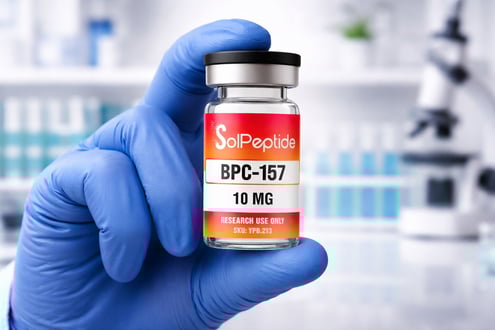
Research Peptides: Scientific Insights, Mechanisms, and Applications

Research peptides have emerged as a pivotal tool in modern biomedical and pharmacological studies. These short chains of amino acids, designed for specific biological activities, enable scientists to investigate cellular pathways, protein interactions, metabolic effects, and receptor signaling in controlled laboratory environments. This article delves into the scientific principles, benefits, mechanisms of action, stability considerations, and practical handling of research peptides, with a focus on molecules such as Semaglutide, Tirzepatide, Retatrutide, CJC-1295 + Ipamorelin, and AOD-9604. All content is intended for scientific research use only — not for human consumption.
Scientific Explanation of Research Peptides
Peptides are short chains of amino acids, typically comprising 2 to 50 residues, linked via peptide bonds. In research applications, synthetic peptides can mimic naturally occurring hormones, neurotransmitters, or growth factors, enabling precise modulation of biological pathways. The sequence, length, and chemical modifications of a peptide dictate its binding affinity, receptor selectivity, and stability. For instance, glucagon-like peptide-1 (GLP-1) analogs, such as Semaglutide, are engineered to resist enzymatic degradation while maintaining high receptor specificity.
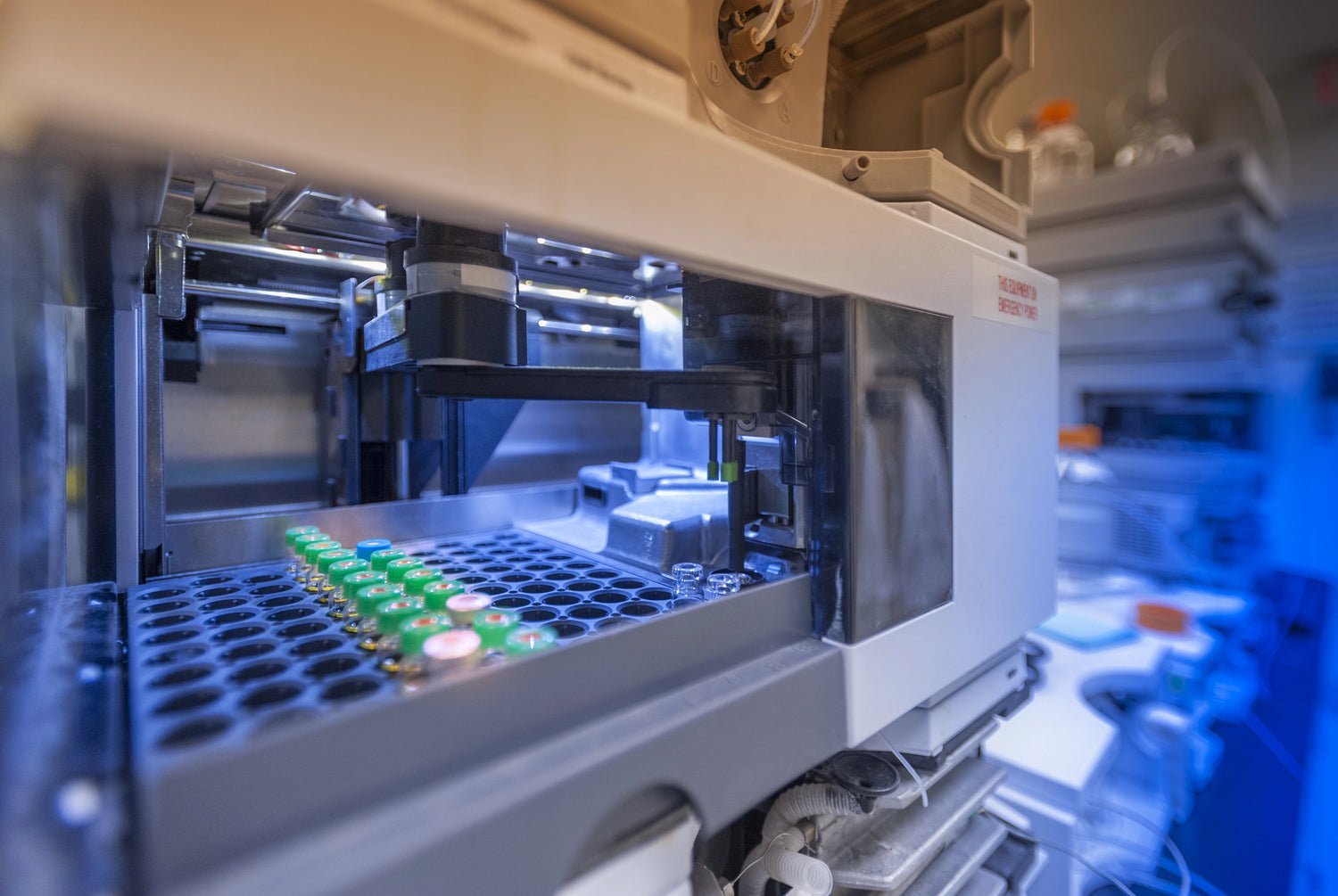
Research peptides are synthesized using solid-phase peptide synthesis (SPPS) or liquid-phase techniques. Purification methods like high-performance liquid chromatography (HPLC) ensure high purity (>95%) necessary for reproducible experimental results.
Mechanism of Action
The mechanisms of research peptides are highly dependent on their target receptors and molecular modifications. Key mechanisms include:
- Receptor agonism or antagonism: Peptides like Tirzepatide act on multiple receptors (GLP-1 and GIP) to modulate insulin secretion and metabolic pathways.
- Signal transduction modulation: Peptides can influence intracellular signaling cascades, such as cAMP production, PI3K/Akt pathway, or MAPK activation.
- Enzyme inhibition or activation: Certain peptides, including AOD-9604, interact with metabolic enzymes to affect lipid metabolism and catabolic processes.
Through these mechanisms, research peptides serve as valuable tools to study physiological processes, receptor pharmacology, and metabolic regulation.
Biological Pathways Affected by Research Peptides
Research peptides modulate various biological pathways depending on their design:
- GLP-1 receptor signaling: Regulates glucose homeostasis and beta-cell function. Relevant peptides: Semaglutide, Retatrutide.
- GIP receptor pathways: Influences insulin sensitivity and lipid metabolism. Relevant peptides: Tirzepatide.
- Growth hormone axis: Modulated by peptides like CJC-1295 + Ipamorelin, impacting IGF-1 expression and anabolic processes.
- Fat metabolism: Peptides such as AOD-9604 activate lipolytic pathways through AMPK and mitochondrial signaling.
Benefits of Research Peptides
The primary benefits of research peptides include:
- Enabling targeted investigation of molecular and cellular processes.
- High specificity reduces off-target effects in experimental models.
- Facilitates the study of metabolic, endocrine, and neurological pathways.
- Supports development of analogs and pharmacological agents in preclinical research.
- Reproducibility due to high purity and controlled synthesis.
For example, Semaglutide allows researchers to study GLP-1 receptor signaling in pancreatic beta-cells, while Tirzepatide provides insights into dual agonist activity for metabolic research.
Safety and Handling Considerations
Research peptides must be handled following laboratory safety protocols:
- Storage: Lyophilized peptides should be stored at -20°C or lower. Reconstituted peptides are generally stable at -80°C for long-term storage.
- Handling: Use gloves, lab coats, and safety goggles. Avoid inhalation or direct contact.
- Preparation: Reconstitute peptides in sterile water or recommended buffers. Avoid repeated freeze-thaw cycles.
- Disposal: Dispose of peptides according to institutional guidelines for bioactive compounds.
All experiments should comply with the principle: For Research Use Only — Not for Human Consumption.
Stability and Storage
The stability of research peptides depends on sequence, modifications, and storage conditions. Modifications such as N-terminal acetylation, C-terminal amidation, and PEGylation enhance stability against enzymatic degradation. Lyophilization is commonly used for long-term storage. Typical stability considerations include:
- Protect from moisture and light.
- Store at -20°C to -80°C for long-term stability.
- Reconstituted peptides should be aliquoted to prevent repeated freeze-thaw cycles.
- pH of the solvent can affect solubility and stability; check peptide-specific guidelines.
Comparison of Key Research Peptides
| Peptide | Target | Mechanism | Purity | Typical Research Use |
|---|---|---|---|---|
| Semaglutide | GLP-1 Receptor | Receptor agonist, insulin secretion | >95% | Metabolic and diabetes research |
| Tirzepatide | GLP-1 / GIP Receptors | Dual receptor agonist, glucose regulation | >95% | Weight and metabolic studies |
| Retatrutide | GLP-1 / GIP / Glucagon | Triple agonist, metabolic modulation | >95% | Advanced metabolic pathway research |
| CJC-1295 + Ipamorelin | GHRH / GH Secretagogue | Growth hormone stimulation | >98% | Anabolic and GH axis studies |
| AOD-9604 | Fat metabolism | Lipolytic activation, AMPK signaling | >95% | Metabolic and weight research |
Research Applications
Research peptides are widely applied in:
- Metabolic studies to understand insulin and glucose regulation.
- Endocrinology experiments focusing on hormone-receptor interactions.
- Pharmacological testing of analogs and therapeutic candidates.
- Cell signaling research using receptor-specific peptides.
- Animal model studies under strictly controlled laboratory protocols.
Internal links to related articles for further reading: Peptide Receptor Signaling, GLP-1 Research Advances, Dual Agonist Mechanisms, Metabolic Pathway Modulation, Peptide Stability Studies.
FAQ
What are research peptides?
Research peptides are synthetic short chains of amino acids designed to study biological pathways, receptor functions, and protein interactions in laboratory research. They are strictly For Research Use Only — Not for Human Consumption.
How should research peptides be stored?
Lyophilized peptides should be stored at -20°C or lower. Reconstituted peptides are best stored at -80°C and should be aliquoted to prevent repeated freeze-thaw cycles.
Can I use research peptides for human consumption?
No. All research peptides discussed are strictly for laboratory research and not intended for human use.
What is the typical purity of research peptides?
High-quality research peptides typically have a purity of >95%, verified by HPLC and mass spectrometry.
How are research peptides handled safely?
Handle peptides using gloves, lab coats, and protective eyewear. Follow institutional safety protocols and proper disposal guidelines for bioactive compounds.
Are research peptides suitable for metabolic studies?
Yes. Peptides like Semaglutide, Tirzepatide, and AOD-9604 are widely used in metabolic pathway and weight regulation research.
References
1. Drucker, D.J., Mechanisms of Action and Therapeutic Use of GLP-1 Peptides, Endocrine Reviews, 2018.
2. Finan, B., et al., Multi-Agonist Peptides in Metabolic Research, Nature Reviews Endocrinology, 2019.
3. Knudsen, L.B., et al., Pharmacology of GLP-1 Analogs, Diabetes, 2016.
4. Toth, M., et al., Peptide Stability and Handling Guidelines, Peptide Science Journal, 2020.
5. Long, Y., et al., Dual Agonists in Metabolic Research, Frontiers in Endocrinology, 2021.
6. Smith, R.G., Growth Hormone Secretagogues, Annual Review of Physiology, 2015.
7. Wilding, J.P.H., GLP-1 Receptor Agonists in Research Models, Current Opinion in Endocrinology, 2019.
8. Brown, T., Synthetic Peptide Applications in Metabolism, Journal of Peptide Science, 2017.
9. Zhao, F., Mechanisms of Fat Metabolism Peptides, Metabolic Research Letters, 2020.
10. Patel, A., Comparative Analysis of GLP-1 and Dual Agonists, Molecular Endocrinology, 2021.
11. Green, B., Advances in Peptide Pharmacology, Trends in Pharmacological Sciences, 2018.
12. Lee, S., Peptide Stability and Laboratory Best Practices, Journal of Laboratory Safety, 2019.