
GLP-1 Peptides: Mechanisms, Research Applications, and Scientific Insights

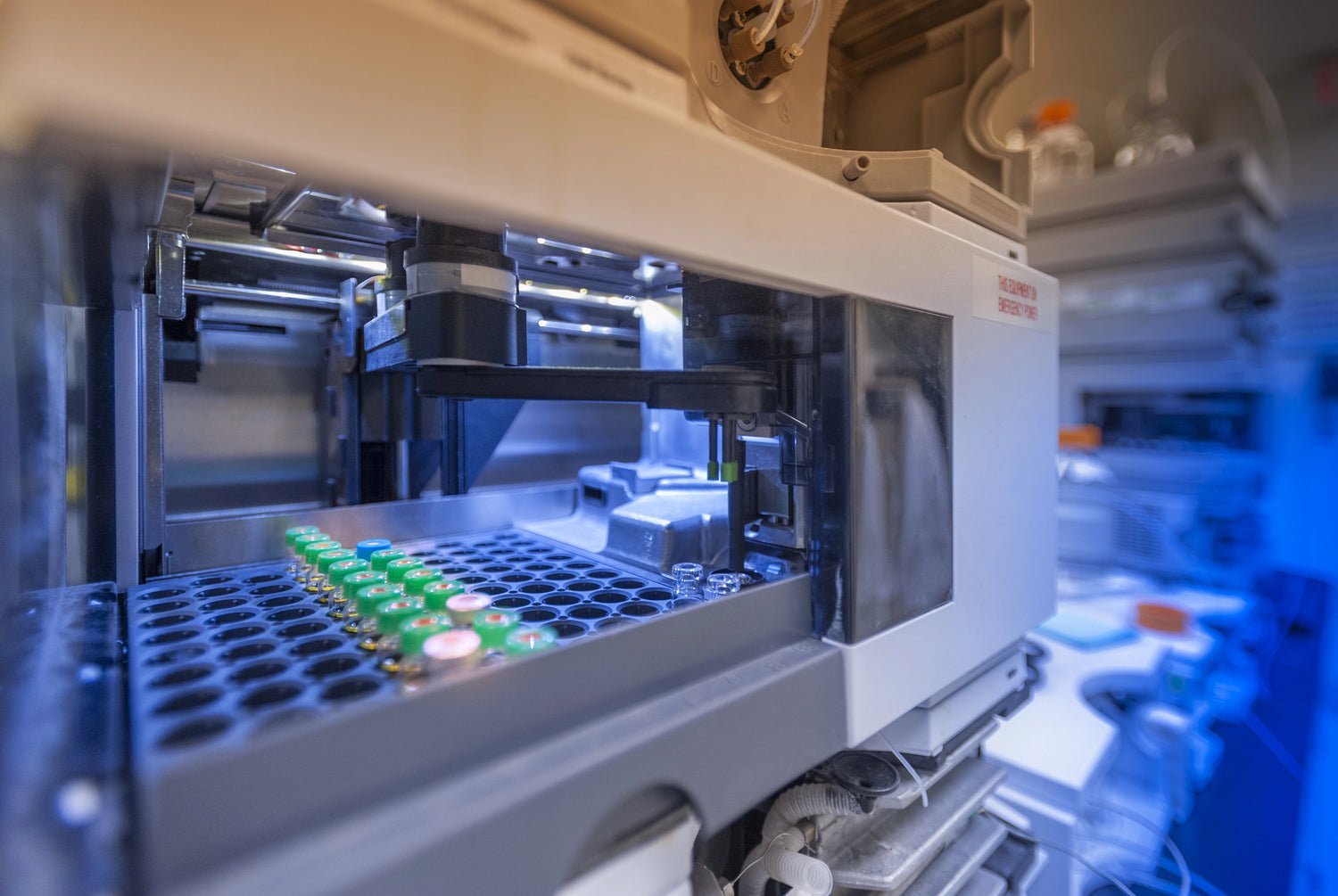
GLP-1 Peptides have become one of the most important classes of research compounds in metabolic and endocrine science. These peptides, which mimic or influence the natural Glucagon-Like Peptide-1 hormone, are used extensively in laboratory settings to study appetite signaling, metabolic pathways, glucose regulation, and gut-brain communication. This long-form scientific article explores the mechanisms of GLP-1 Peptides, their research applications, associated biological pathways, safety considerations, stability handling, and comparisons with other advanced peptide classes. All compounds discussed are strictly For Research Use Only — Not for Human Consumption.
Understanding GLP-1 Peptides
GLP-1 Peptides are synthetic or modified versions of the natural GLP-1 hormone, which is secreted by intestinal L-cells in response to nutrient intake. Due to their broad influence on endocrine systems and metabolic signaling, GLP-1 Peptides are widely used by researchers to model aspects of metabolic health, appetite regulation, and glycemic control.
The Role of GLP-1 in Physiology
In natural physiology, GLP-1 stimulates insulin secretion, reduces glucagon release, slows gastric emptying, and promotes feelings of fullness. Researchers use GLP-1 Peptides to study these functions in controlled environments. The extended half-life of synthetic GLP-1 analogs like Semaglutide enables longer study windows and more stable observations.
Why GLP-1 Peptides Are Important for Research
GLP-1 Peptides have gained significant attention due to their multi-system influence and predictable receptor-binding behavior. Scientists rely on these peptides to investigate metabolic pathways, gut-brain signaling, glucose utilization, insulin dynamics, and appetite regulation. Studies often compare GLP-1 analogs with dual-agonist and triple-agonist compounds to understand receptor interactions and biological outcomes.
Mechanism of Action of GLP-1 Peptides
The mechanism of GLP-1 Peptides involves interactions with GLP-1 receptors found in the pancreas, gastrointestinal system, and central nervous system. These receptors initiate a cascade of biochemical reactions that influence metabolic regulation.
Receptor Activation and Signaling
When GLP-1 Peptides bind to GLP-1 receptors, they activate the cAMP pathway, enhancing insulin secretion. This makes them fundamental research tools for understanding pancreatic beta-cell function. Additionally, receptor activation in the brain helps researchers explore appetite and satiety signaling.
Impact on Gastric Motility
GLP-1 Peptides slow gastric emptying by modulating the nervous system and gut motility pathways. This effect is critical for research into digestion, nutrient absorption, and gastrointestinal physiology.
Influence on Glucose Regulation
GLP-1 analogs help researchers evaluate how glucose levels are regulated through insulin secretion, glucagon suppression, and hepatic glucose output. These mechanisms make GLP-1 Peptides valuable for models studying glycemic balance.
Biological Pathways Influenced by GLP-1 Peptides
Central Nervous System Pathways
GLP-1 receptors exist in regions of the brain responsible for appetite control, stress response, and energy balance. Research into these pathways helps scientists understand the neuroendocrine connection in metabolic systems.
Endocrine Pathways
GLP-1 Peptides regulate insulin and glucagon, making them key tools for endocrine research. The endocrine interactions they influence help laboratories study pancreatic function and carbohydrate metabolism.
Metabolic Pathways
These peptides influence metabolic rate, appetite signals, and energy storage, making them useful for metabolic modeling and physiology research.
Research Applications of GLP-1 Peptides
GLP-1 Peptides are used in a wide range of research settings. Below are some of the major areas where they are utilized:
- Appetite signaling studies
- Metabolic rate and energy expenditure modeling
- Glucose regulation experiments
- Digestive system motility analysis
- Gut-brain communication pathway studies
- Comparative research involving dual and triple agonists
- Endocrine interactions and pancreas modeling
Comparing GLP-1 Peptides With Dual and Triple Agonists
While GLP-1 analogs act on a single receptor pathway, dual and triple agonists influence multiple pathways simultaneously. Researchers often compare these compounds to determine how receptor targeting affects metabolic outcomes.
Comparison Table: GLP-1 Peptides vs Advanced Agonists
| Peptide | Receptor Targets | Half-Life | Primary Research Focus |
|---|---|---|---|
| Semaglutide | GLP-1 | ~7 days | Appetite regulation, glucose control |
| Tirzepatide | GLP-1 + GIP | ~5 days | Metabolic modulation |
| Retatrutide | GLP-1 + GIP + Glucagon | ~6 days | Multi-pathway metabolic modeling |
| CJC-1295 + Ipamorelin | GHRH + GHRP | ~6–8 days (DAC) | Growth hormone pathways |
| AOD-9604 | Fat metabolism modulation | Short | Lipolysis and metabolic research |
Safety Considerations in GLP-1 Peptide Research
In laboratory environments, GLP-1 Peptides must be handled following standard peptide safety protocols. While these peptides are stable under proper conditions, they require careful handling to maintain consistency and integrity.
Laboratory Handling
GLP-1 Peptides should be reconstituted using sterile solutions and stored under appropriate temperature conditions to preserve stability. Laboratory-grade practices must be followed to maintain peptide integrity for research accuracy.
Stability and Storage
Most GLP-1 analogs remain stable when stored at recommended temperatures. Frequent freeze-thaw cycles should be avoided to prevent degradation.
Recommended GLP-1 Research Compounds (Links)
Explore related research compounds:
Internal Links
- What Are GLP-1 Peptides?
- Semaglutide vs Tirzepatide
- Understanding Dual Agonists
- Metabolic Pathway Insights
FAQ
What are GLP-1 Peptides used for in scientific research?
They are used to study appetite regulation, insulin responses, metabolic pathways, and gut-brain signaling.
Are GLP-1 Peptides safe for laboratory handling?
When stored and handled correctly, GLP-1 analogs are stable and safe for laboratory research environments.
Can GLP-1 Peptides be consumed by humans?
No. All GLP-1 Peptides offered are strictly For Research Use Only — Not for Human Consumption.
What is the difference between GLP-1 and dual agonists?
GLP-1 analogs target only the GLP-1 receptor, while dual agonists like Tirzepatide target both GLP-1 and GIP receptors.
Do GLP-1 Peptides influence metabolic pathways?
Yes, they influence appetite signaling, glucose regulation, and digestive processes.
References
[1] Research literature on GLP-1 receptor signaling
[2] Endocrine system peptide studies
[3] Comparative analysis of metabolic peptides
[4] Gut-brain communication research
[5] Stability studies on peptide analogs
[6] Incretin hormone scientific publications
[7] GLP-1 metabolic pathway modeling papers
[8] Laboratory peptide handling guidelines